
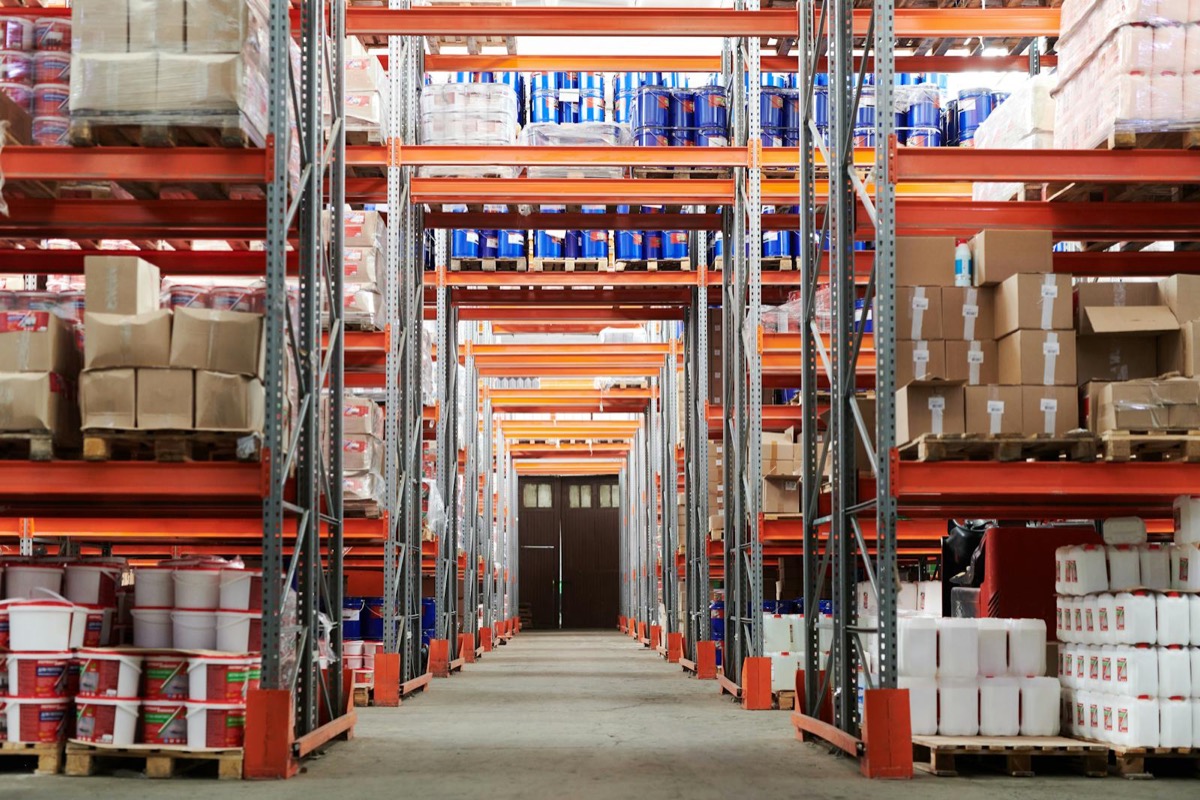
What a customs bonded warehouse is used for
A customs bonded warehouse in Kenya is useful when imported cargo needs to remain under customs-controlled storage before final release or distribution. For businesses moving inventory through Mombasa and Nairobi, bonded storage can help structure the import process when cargo cannot move directly from arrival to immediate local delivery.
- Bonded storage planning: For cargo that should remain under customs-controlled handling after arrival.
- Mombasa-linked support: Useful for cargo that lands at port but is not ready for direct final release.
- Inland coordination: Helps when the importer wants a structured move toward Nairobi or another inland destination.
- Phased release: Useful where inventory should be managed in stages rather than all at once.
- Customs alignment: Bonded handling works best when paired with proper clearance planning and document control.
- Distribution planning: Supports importers who need time to coordinate inland delivery or customer release schedules.
When bonded warehousing makes sense
Bonded storage is not just another warehouse option. It is most useful when the cargo flow itself requires customs-controlled handling before the final release plan is complete.
- Mombasa port arrivals: Cargo arrives, but release timing, documentation, or distribution planning still needs structure.
- Inland inventory staging: The importer needs a bonded strategy before the goods move into wider Kenya distribution.
- Importers – When goods cannot move immediately into normal local release.
- Distributors – When inventory needs phased allocation to different buyers or sites.
- Regional cargo planners – When inland or onward movement needs coordination after arrival.
- SMEs and growing importers – When operational timing matters as much as storage itself.
- Project cargo teams – When equipment or staged releases must be controlled carefully.
Bonded warehouses in Nairobi and Mombasa
Importers looking for bonded warehouses in Nairobi, Mombasa or other Kenya logistics points usually need more than storage space. They need customs-controlled handling, release timing, distribution planning and documentation support working together before final delivery.
- Nairobi bonded storage planning: Useful when importers need inventory positioned closer to Nairobi customers or regional distribution routes.
- Mombasa bonded handling: Useful when cargo needs controlled storage near port arrival before release, transfer or onward delivery.
- Customs-linked workflow: Bonded storage works best when the clearance, release timing and delivery plan are reviewed together.
How bonded warehouse support works
- Step 1: Share the cargo type, arrival timing, and why bonded storage is needed.
- Step 2: Kenya Tradex reviews whether a bonded handling model fits the cargo and release plan.
- Step 3: The storage and customs process is aligned before or around arrival.
- Step 4: Cargo is managed under the agreed bonded workflow while release timing is coordinated.
- Step 5: Final clearance and delivery planning follow the agreed release sequence.
Customs bonded warehouse questions
- What is a customs bonded warehouse in Kenya?
It is a customs-controlled storage arrangement used when imported goods need to remain under bond before final release or distribution steps are completed. - When should I use bonded storage?
It is useful when cargo arrives but cannot move directly to final local release, especially where phased release, inland planning, or controlled handling is needed. - Can this work with Mombasa port cargo?
Yes. Bonded storage is often relevant for cargo moving through Mombasa when the importer needs structure between arrival and final distribution. - Can Kenya Tradex combine bonded warehousing with customs support?
Yes. Kenya Tradex helps link bonded storage planning with customs clearance and onward delivery coordination.