
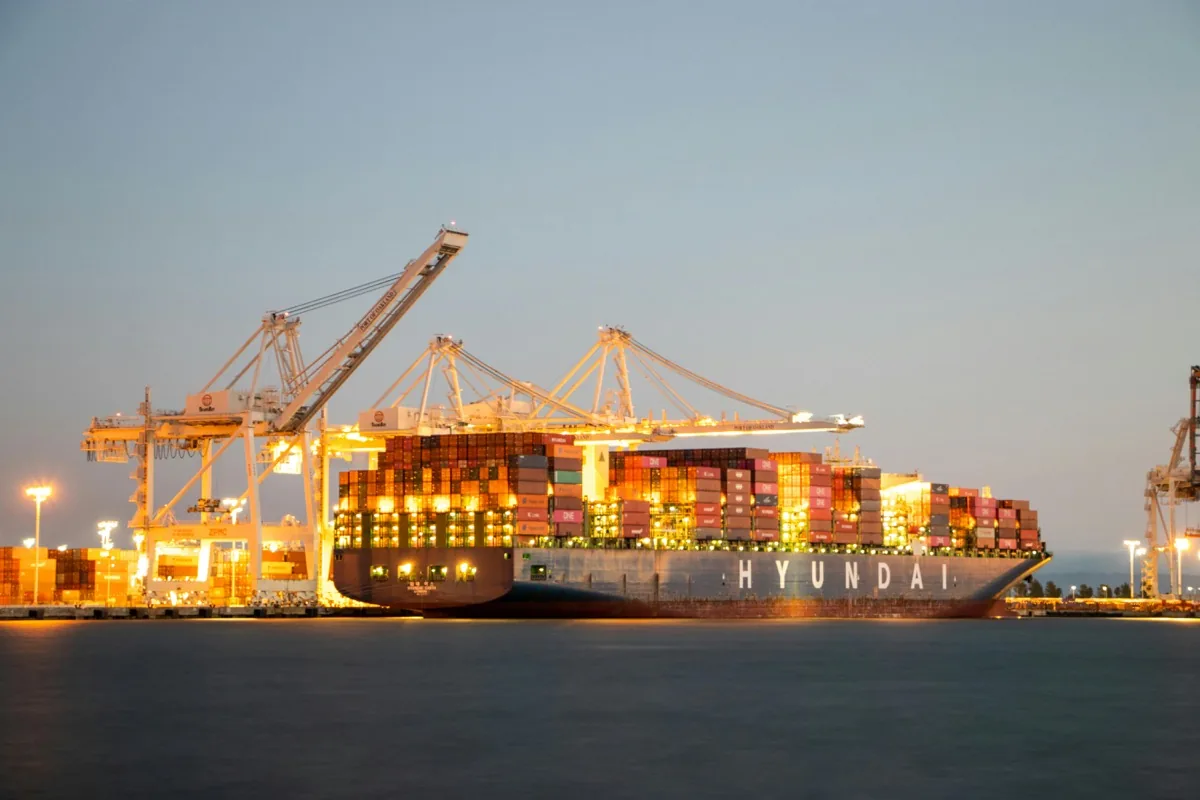
What is clearing and forwarding?
Clearing and Forwarding (often referred to as freight forwarding and customs clearing) is the logistics process of managing goods as they move across international borders, from point of origin to final destination. It combines two essential pillars:
Forwarding (Movement)
Arranging transport (sea, air, road, rail), booking cargo space, warehousing, consolidating shipments, tracking, and managing key documents like Bill of Lading or Airway Bill.
Focus: physical coordination & carrier managementClearing (Customs)
Preparing customs declarations, reviewing duties and taxes, checking permit requirements and coordinating inspections by customs or other agencies before customs release.
Focus: legal compliance & border releaseTogether, clearing and forwarding connect customs requirements with transport planning from the supplier to your warehouse or job site. For a customs-only file, see customs clearance in Kenya; this page covers the combined clearance and forwarding service.
Licensed clearing and forwarding support for cargo moving through Kenya
Kenya Tradex combines customs documentation and cargo movement planning through Mombasa and Nairobi. We review entries, permits, duty requirements and release instructions against the applicable KRA and East African Community customs procedures. Clearance remains subject to authority review, inspection and payment; no agent can guarantee every compliance outcome or release time.
- Customs clearance: Entry, document and agency coordination for import, export and transit shipments, subject to KRA assessment and release.
- Import and export documentation: Support for Import Declaration Form (IDF), Certificate of Origin, Form C, and related paperwork required to process cargo through customs.
- KRA customs bond support: Confirm the bond purpose, security, validity and discharge evidence against the approved customs procedure.
- Transit bond support: Plan Mombasa-origin cargo primarily on the Northern Corridor; any Tanzania/Central Corridor routing needs a separate gateway and border review.
- Duty and tax processing support: Review classification, valuation and entry requirements. Written import planning uses IDF at 2.5% of CIF and RDL at 2% of CIF where applicable, subject to exemptions and assessment.
- Post-clearance audit support: Assistance with KRA audits and compliance reviews.
- Cargo release coordination: Support for the steps required before cargo can move to final delivery or onward transport.
Documents and customs requirements often involved
The exact documentation depends on the cargo type, route and regulatory requirements, but clearing and forwarding commonly involves careful handling of shipment records, customs entries and supporting trade documents:
- Import Declaration Form (IDF): Check applicability and complete the required import declaration before entry processing; exempt procedures may differ.
- Bill of Lading / Airway Bill: Transport documents depending on the cargo mode (sea or air freight).
- Commercial Invoice and Packing List: Basic shipment documents used during customs processing and cargo verification.
- Certificate of Origin: Required for EAC preferential duty rates under rules of origin.
- Customs entry: The electronic declaration must use the correct procedure, HS code, value and supporting documents for the shipment.
- Transit documentation: Bond-related paperwork for cargo moving onward to regional destinations outside Kenya.
Before clearance begins, importers can estimate import duty before clearance using the cargo or vehicle estimate that matches the shipment.
Regional destinations supported through transit coordination
Mombasa is the maritime gateway for the Northern Corridor through Kenya and Uganda. The Central Corridor is anchored at Dar es Salaam in Tanzania; it is not another name for a Mombasa–Uganda route. Compare gateway, destination, bond and border requirements through our regional transit cargo service before choosing a route.
- Uganda (Kampala, Jinja): Transit support for cargo moving inland from Mombasa through the Northern Corridor via Malaba or Busia border.
- Rwanda (Kigali): Mombasa-origin planning through Kenya and Uganda, with the Uganda–Rwanda border confirmed for the route. Rusumo is a Tanzania–Rwanda crossing, not the Uganda–Rwanda crossing.
- Burundi (Bujumbura): Confirm every transit country and border for the chosen route; do not treat Rusumo as Burundi's entry border.
- Democratic Republic of the Congo (Goma, Bukavu, Lubumbashi): Cargo planning for selected regional destinations linked to cross-border delivery routes.
- South Sudan (Juba): Support for cargo moving through Kenya into Juba and related inland destinations via Nimule border.
How the clearing and forwarding process works
- Step 1: Share the shipment details, transport documents (Bill of Lading/Airway Bill), invoice information and final destination.
- Step 2: Customs documentation (IDF, Form C, Certificate of Origin) and shipment requirements are reviewed based on the cargo type and route.
- Step 3: Processing is coordinated around customs entries, duty and tax requirements, KRA compliance steps, and inspection handling where applicable.
- Step 4: Cargo release, inspection handling and onward movement planning are managed according to shipment needs.
- Step 5: Cargo is prepared for local delivery, storage, or transit movement to the next destination via transit bond.
Clearance scenarios Kenya Tradex plans for
Searchers often ask for a customs agent only after cargo is already close to arrival. The strongest results come when the clearance file is reviewed earlier, especially for these scenarios:
- Mombasa port imports: Containers, LCL cargo and breakbulk shipments that need release planning after vessel arrival.
- Nairobi ICD cargo: Inland-routed containers where importer location, depot handling and final delivery timing matter.
- JKIA air cargo: Urgent shipments where documents, permits and inspection steps must move quickly.
- Regional transit shipments: Cargo moving to Uganda, Rwanda, Burundi, DRC or South Sudan where bond and border planning affect delivery.
Clearing agents in Mombasa for port cargo
Importers looking for clearing agents in Mombasa need a team that can review the customs file before cargo reaches the release stage at Mombasa port, Nairobi ICD or an airport cargo point. Kenya Tradex supports that process from document review through delivery planning.
- Before arrival: Review Bill of Lading or Airway Bill, invoice, packing list, permits, HS code assumptions and consignee details.
- During clearance: Coordinate customs entry, inspection handling, duty and tax processing, cargo release and terminal handover steps.
- After release: Plan local delivery, Nairobi ICD movement, bonded storage, warehousing or regional transit cargo depending on final destination.
Clearing and forwarding questions — expert answers
- What exactly is clearing and forwarding?
Clearing and forwarding refers to the logistics process of managing goods as they move across international borders, from origin to final destination. Forwarding handles transport coordination (sea, air, road) while clearing manages customs compliance, duties, and documentation. Kenya Tradex provides both under one roof. - Who is a clearing and forwarding agent?
A clearing and forwarding agent (or freight forwarder) is a licensed company or individual that handles both tasks on behalf of importers and exporters. They act as an intermediary between the shipper, carriers, and customs authorities to ensure legal and efficient movement of goods. - Is clearing and forwarding the same as logistics?
Not exactly. Logistics is broader and includes supply chain management, warehousing, distribution, and inventory planning. Clearing and forwarding focuses specifically on cross-border transport and customs compliance, making it a specialized subset of the wider logistics field. - How long does customs clearance take at Mombasa port?
Plan around document readiness, cargo availability, duty payment and any agency or inspection queries. Straightforward files may take one to several working days; queried shipments can take longer. KRA release, line delivery order and terminal collection are separate milestones. - What is a transit bond and why do I need it?
A transit bond is a customs guarantee that allows cargo to move from Mombasa port to landlocked East African countries without paying import duties until final destination. Kenya Tradex manages transit bonds for Uganda, Rwanda, Burundi, the Democratic Republic of the Congo, and South Sudan. - What documents are required for customs clearance in Kenya?
Prepare the Bill of Lading or Airway Bill, invoice, packing list, importer authority, applicable IDF, origin evidence and product permits. The entry and supporting documents depend on the customs procedure, cargo and origin requirements. - Do you support cargo moving beyond Kenya to landlocked countries?
Yes. Kenya Tradex coordinates transit bond and onward movement planning to Uganda, Rwanda, Burundi, DRC and South Sudan. Mombasa-origin movements use Northern Corridor planning; Tanzania/Central Corridor alternatives require a separate route and gateway review.